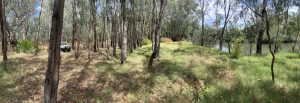
The extended dry is not only disrupting Parklands’ planting schedule but is also placing stress on our native species. Lack of autumn rainfall is having consequences on both plants and animals with less plant growth and increased die-off resulting in less food for all the animals that need plants and their fruits, seeds, and flowers to survive.
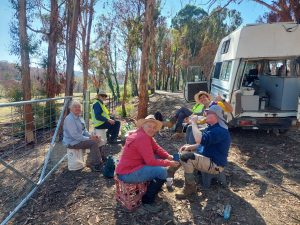
Our conservation reserves are important refuges for native fauna with so little feed around and Parklands wants to thank our neighbours for their cooperation in keeping their stock out of these areas. It’s been a busy time for Rangers with many stock-exclusion fences needing repair across the regional park network due to trees dropping limbs. Eucalytps especially will drop limbs to reduce their overall size and surface area to conserve water that is lost through leaves.
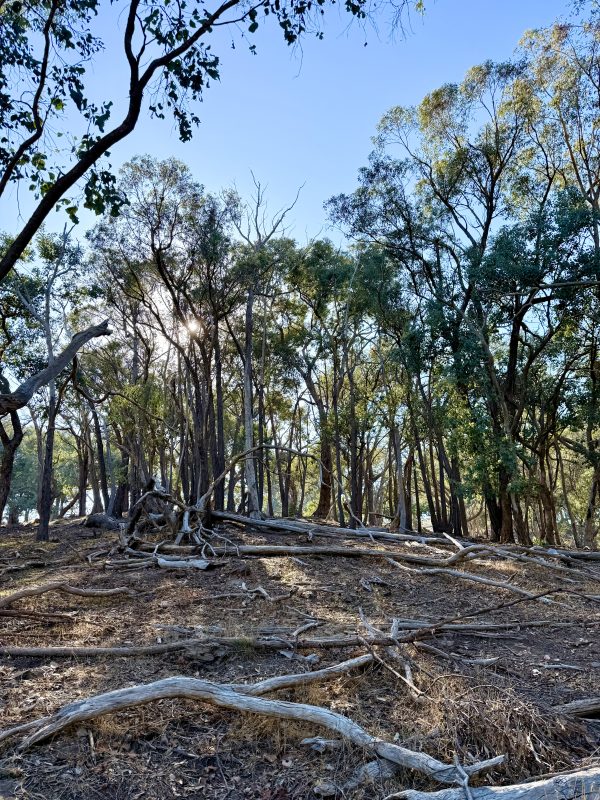
Now is a good time to remind the community that illegal firewood collection harms the environment and there are laws as to where you can collect as well as how much and at what times. You can refer to this article we published earlier in the year for maps and permits. Parklands would ask the public to please refrain from removing fallen timber as it is vital to the overall health of the ecosystems. Fallen timber stores carbon from the atmosphere and improves the soil through water retention and the nutrients that are returned during decomposition. It can also help to lessen the effects of erosion, especially in hilly environments. Not least, fallen timber provides essential habitat for many animals.
Our local native species such as the yellow-footed antechinus (Antechinus flavipes) loves a ‘messy’ ground such as on McFarlanes Hill with fallen timber, leaf litter, and rocks to use for places to shelter and find food.
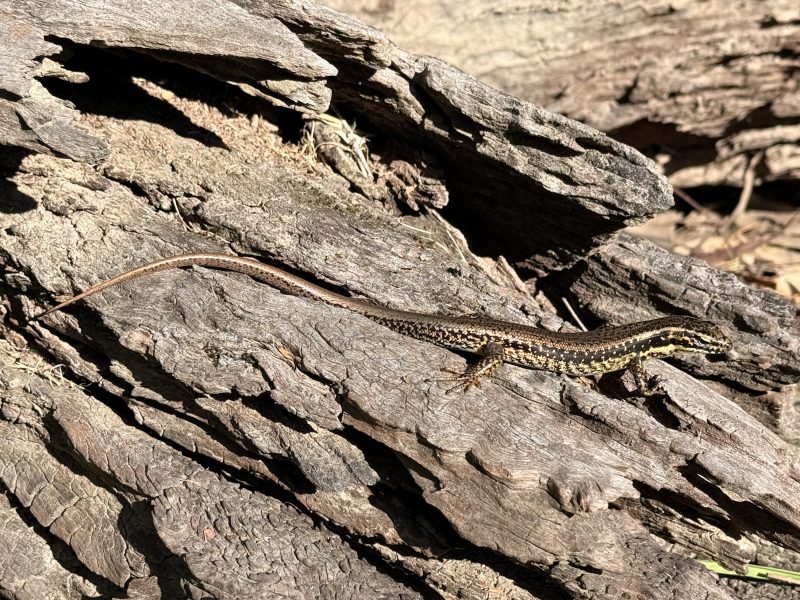
And this one fallen log is home to several yellow-bellied water skinks (Eulamprus heatwolei) on the High Country Rail Trail near the Kiewa River.
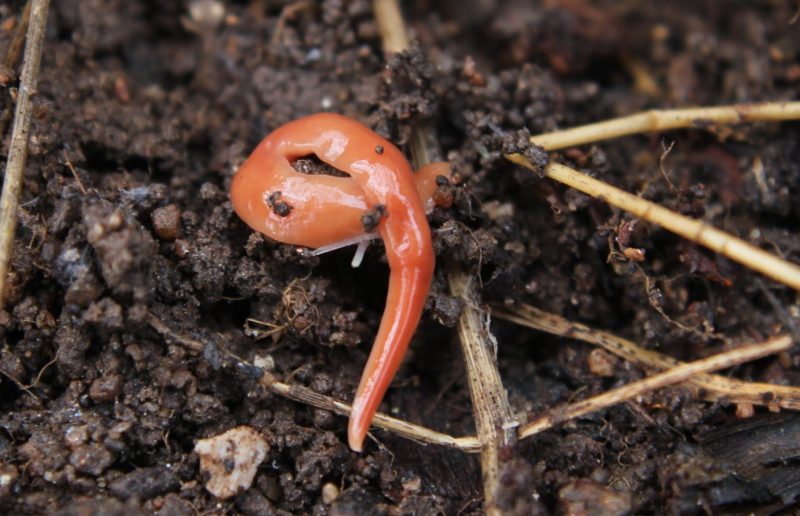
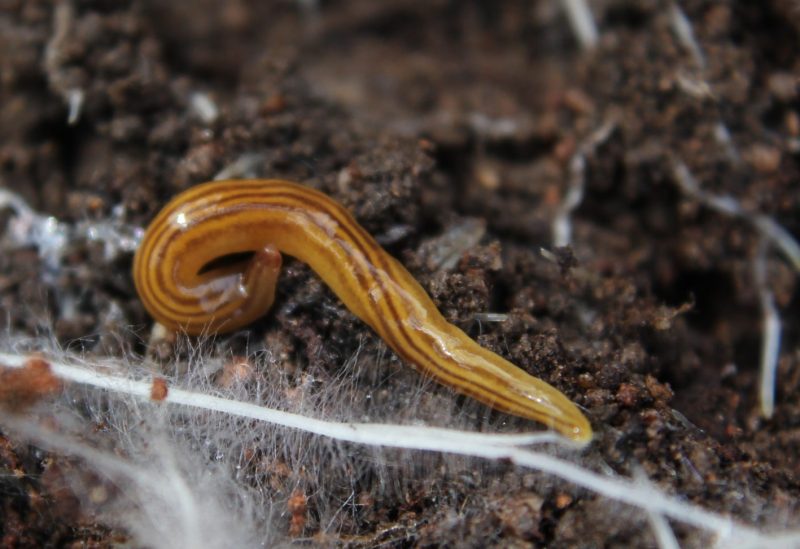
Logs can also provide microhabitats for other creatures that live beneath them, such as these flatworms happily at home in the moist conditions under a log at Castle Creek Conservation Reserve.
Parklands aims to protect the habitat we already have, which means leaving fallen timber in place for the most part (of course we want to ensure our trails are clear and safe). And every autumn and winter, we aim to plant more native seedlings to increase the amount of habitat and biodiversity value of our natural spaces. This winter, Parklands plans to continue with the Reforestation Project in parts of Wodonga Regional Park and Ryans Lagoon Wetlands, but weather conditions may mean that the planting program will have to be adapted. It is hoped that this planting will expand on and create new habitat for species such as barking owls, squirrel gliders, and grey-headed flying foxes.
Our thoughts are with our neighbours who are outlaying significant funds to feed their livestock but a win-win this autumn has been environmental grazing. This controlled grazing is used to feed stock and prepare our planting sites for winter by reducing exotic ground covers.
Our Reforestation Project is gratefully funded by the Victorian Government’s $77 million BushBank Program, which is restoring more than 20,000 hectares of land across Victoria to create healthy wildlife habitat and capture carbon.