People and planet are celebrating the receipt of much needed recent rainfall! It appears to be our “autumn break” which is when the soils are still warm and the rainfall generates significant growth before shutting down over winter.
This also means that our deciduous woody weeds are likely to start shedding leaves in the coming weeks, which signals the end of what has been a very busy woody weed season across Turtle Island and Browns Island this year.
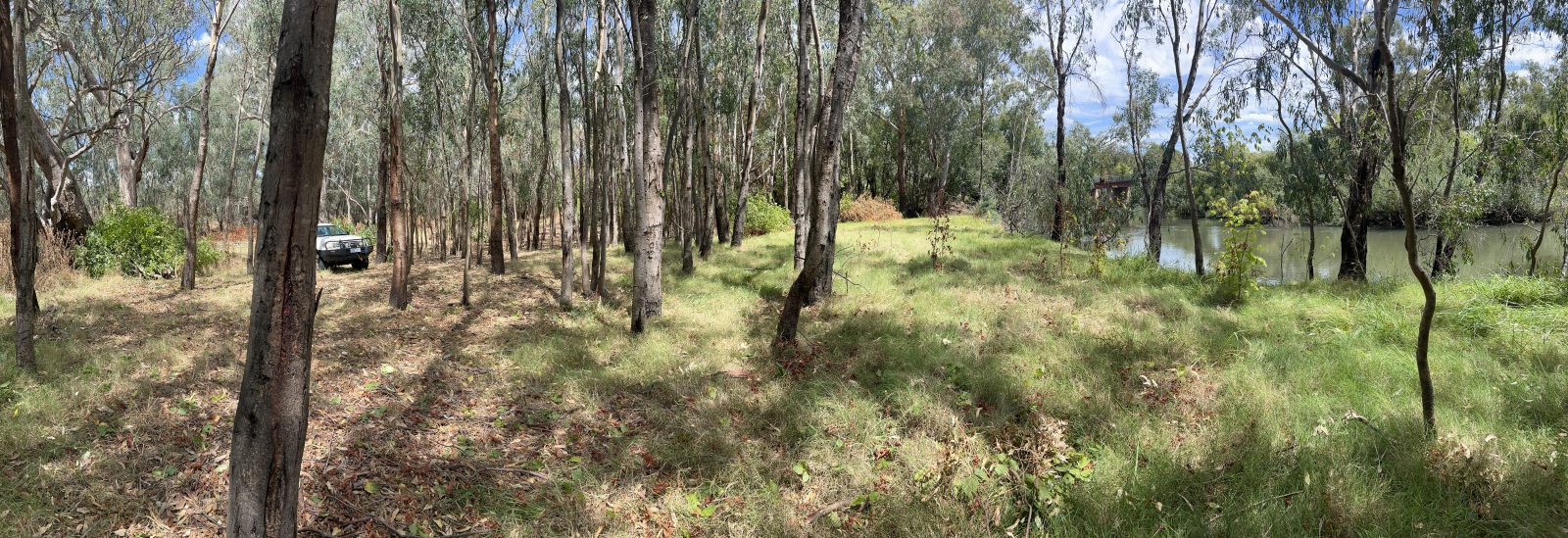
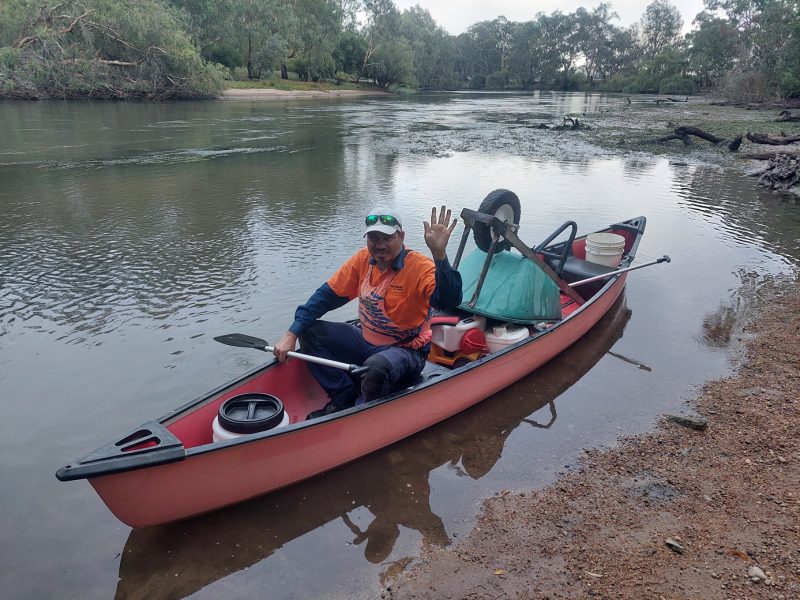
Rangers have been paddling over to Turtle Island, accessed from the boat ramp at Doctors Point, to continue woody weeding of species such as box elder which was introduced as an ornamental tree on streets and in parks and gardens. It has become an invasive weed especially on riverbanks and in riparian areas. Where it spreads, it can crowd and shade out native species, cause damage to waterways by trapping sediment, and the large numbers of leaves they drop in autumn can lead to oxygen depletion in creeks and rivers.
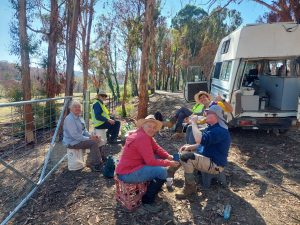
Over on Browns Island, Rangers and volunteers from the community have been making amazing progress, managing to clear a path through the dense thicket.
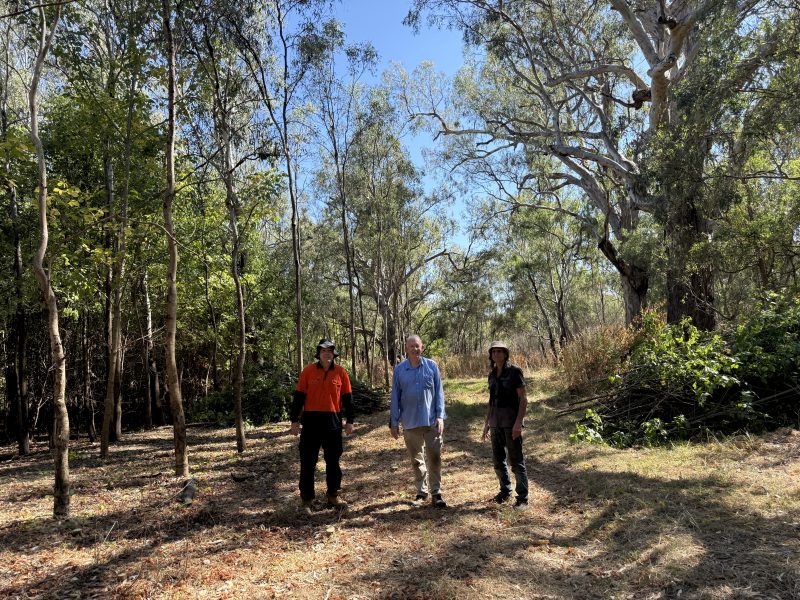
Often, getting rid of weeds like this takes several years as box elders in particular produce a huge amount of seeds that are carried large distances by wind or if they land in water, potentially even further! Tree of heaven, ash, and fig have also been targeted as they have spread significantly during the wetter summers. We use a chemical control method of cutting off the upper stems and then applying poison into drilled holes in the stump which saves the soil from being disturbed.
In areas that have been cleared in previous years, we have planted out native species that will provide a diverse habitat of both canopy and understorey layers and these are growing well! Remnant vegetation in these areas has also popped up on its own.
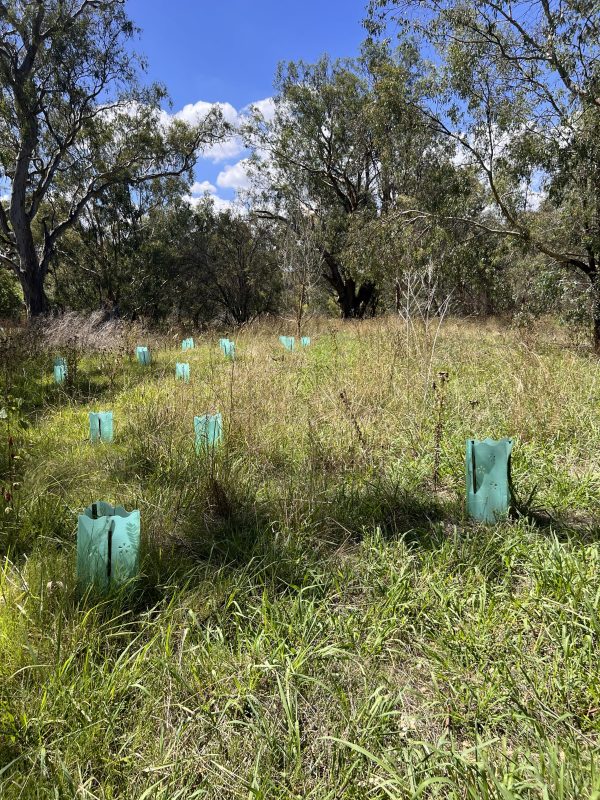
The long-term goal for these islands is that they will provide additional forage and roosting habitat for grey-headed flying foxes (Pteropus poliocephalus) which are about to migrate north for the winter. With a wingspan at around 1 m, these are one of Australia’s largest bats! Planting of preferred flying-fox native food species is focused on plants that flower in winter and spring as habitat with such plants is considered critical for the survival of the bats, and any actions to improve roosting and foraging habitat for grey-headed flying-foxes will also benefit other nectar- and fruit-feeding bats, birds, mammals, and other fauna. Grey-headed flying foxes are good to have around as they play a vital role in the ecosystem, moving between fragmented habitats and dispersing both pollen and seeds of over 100 species of trees, including our ancient river red gums (Eucalyptus camaldulensis), thereby helping to sustain the diversity of habitats locally and along the east coast of Australia.
Our ‘Restoring Roosting Refuges’ project is funded by the Australian Government’s Natural Heritage Trust under the Urban Rivers and Catchments Program.