In a world full of uncertainties, it’s easy to become anxious and depressed and experience feelings of hopelessness. Climate change and the negative impacts of invasive weeds on biodiversity can sometimes make us all feel overwhelmed.
But it doesn’t have to be that way! Together, we CAN make a difference!
The link between optimism and resilience is profound. Parklands Albury Wodonga staff were grateful to be surrounded by optimists at our “Bye Bye Coolatai” demonstration day on 14 August along the High Country Rail Trail near Whytes Rd., Baranduda. Coolatai grass (Hyparrhenia hirta) is an invasive grass that was thought to be introduced into Australia from Africa in the late 1800’s and is now found in every state and territory. This grass is a major threat to biodiversity as it is drought, fire, and herbicide tolerant. It is able to produce fertile seeds from a single plant and those seeds can be spread by wind, water, animals, and vehicles.
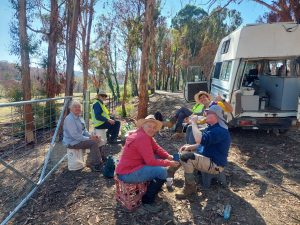
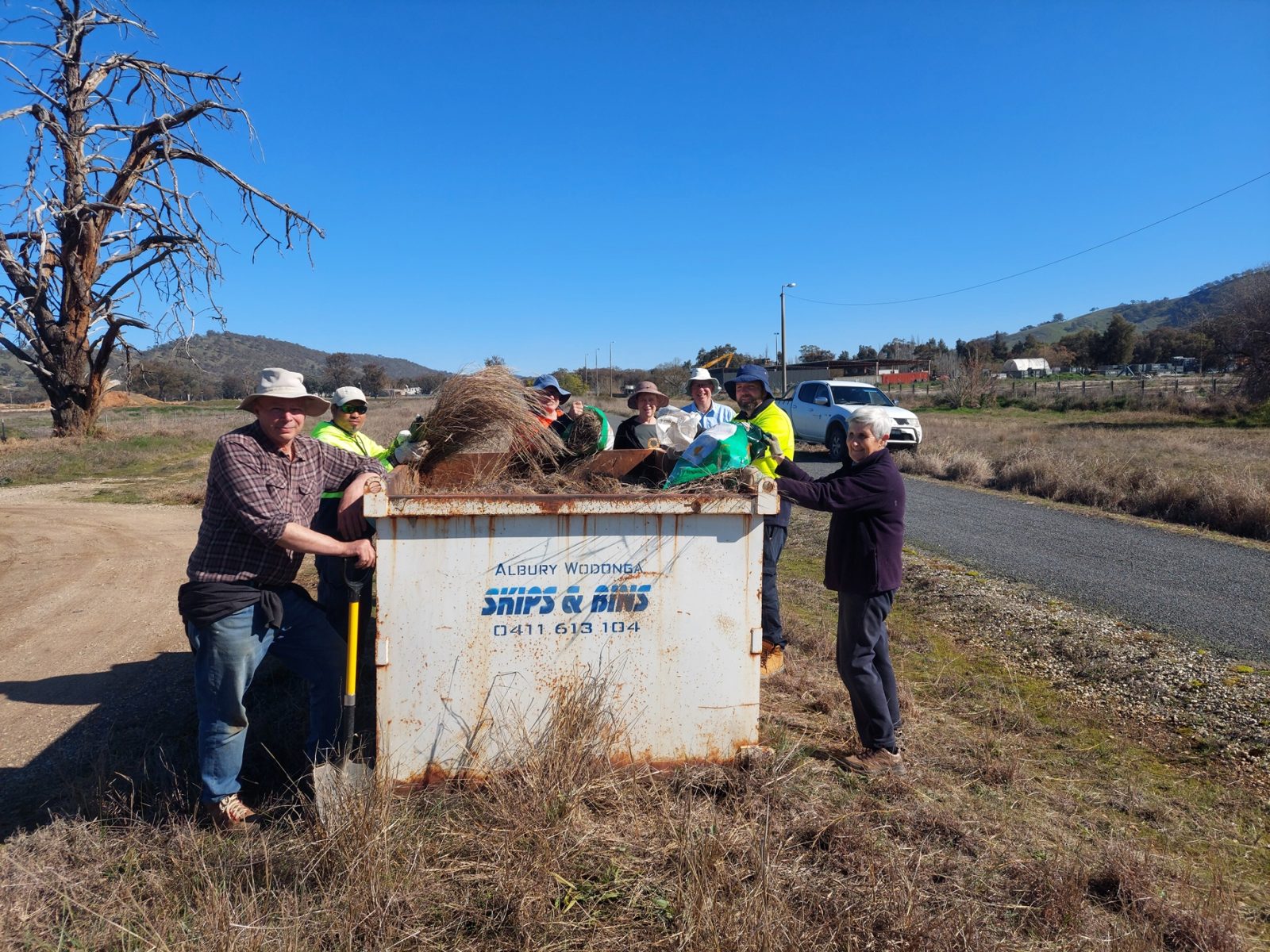
Our Park Stewardship days certainly do have a positive impact on nature, thanks to the resilient people who give their time to help our ecosystems adapt to the changing climate. In just two hours, our optimistic team chipped out and filled a skip with coolatai grass! We have effectively eliminated this threat to our ecosystem.
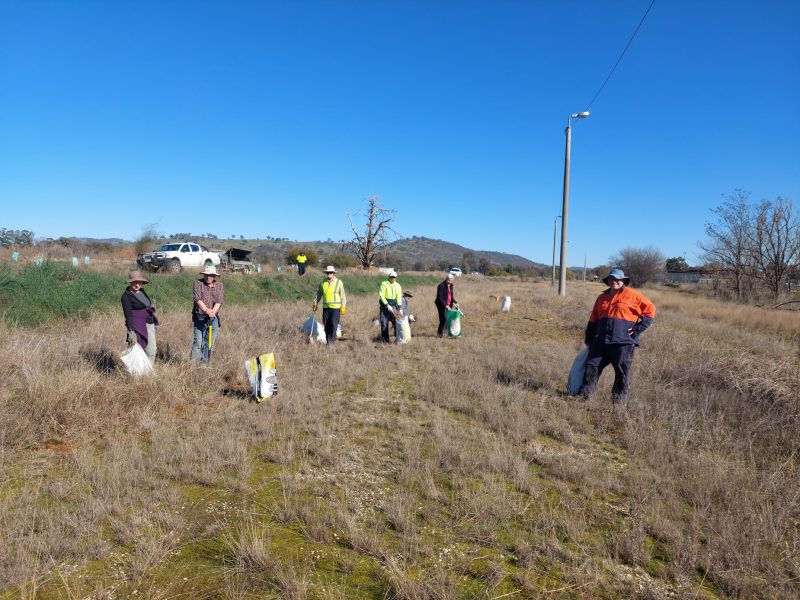
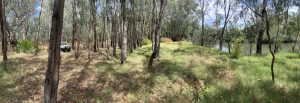
This means that in future years, the small weed infestations have not been left to spread and overtake the healthy remnant vegetation that is crucial habitat for our native animals to not only survive but thrive.
Over 25 years, lots of people have collectively achieved enormous outcomes by keeping these new and emerging weed species in check. Yes, there will always be something new and emerging….. but, together we can keep on top of things so that we prevent our healthy ecosystems from becoming overwhelmed and overtaken… one chipped weed at a time.
Thank you to Albury Wodonga Skips and Bins for skillfully locating these skips for our demonstration days enabling us to work productively.
Thank you to the Victorian Government for their financial support through the Partnerships Against Pests program.